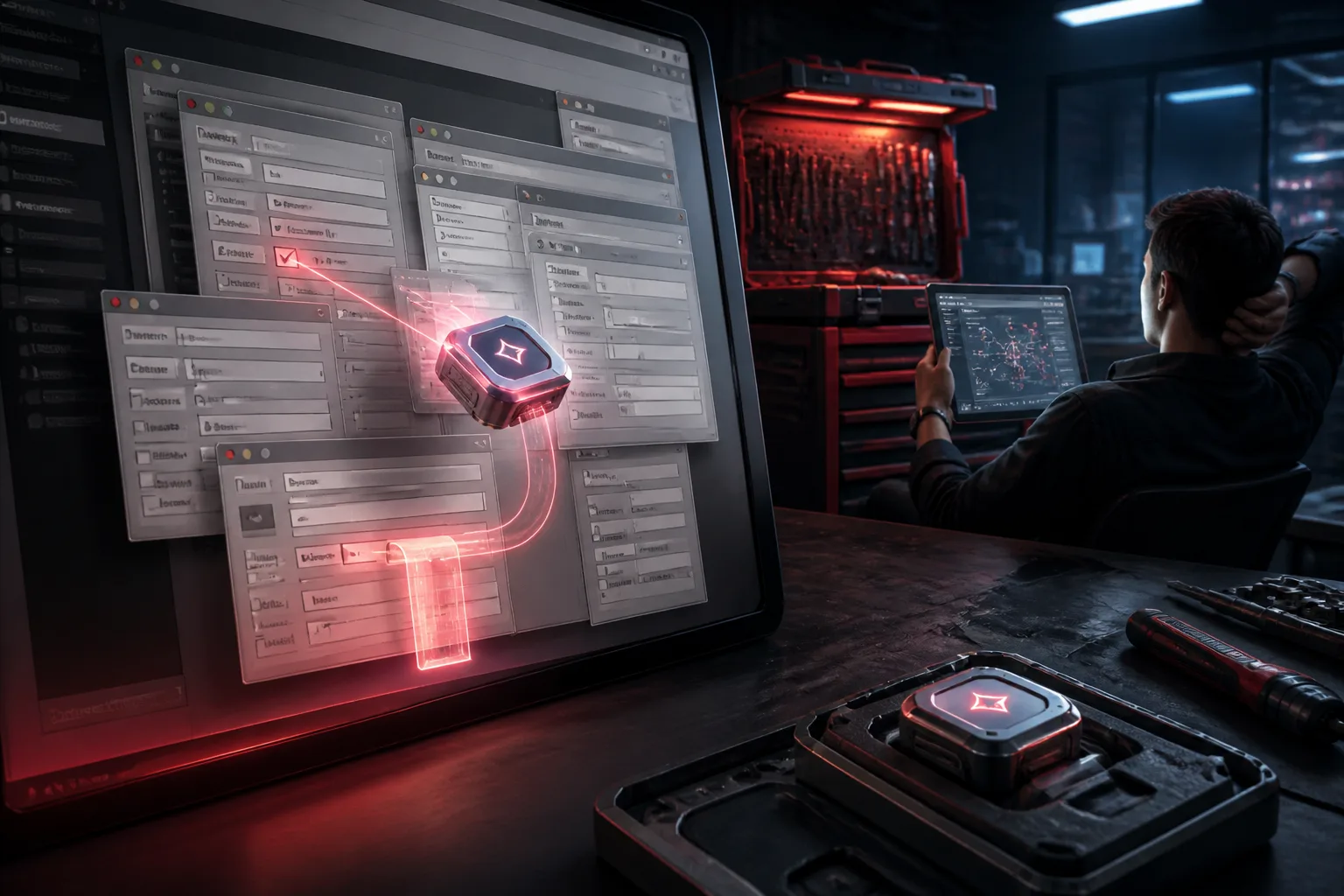
On November 13, 2026, Shield described how its Forge platform now delegates supported browser tasks to agents powered by GPT‑6 Astra, allowing technicians to concentrate on issues that require human judgment. The system targets legacy portals and web interfaces that typically lack APIs and can block automated workflows.
How Forge uses GPT‑6 Astra
Forge assigns tasks to a computer‑use agent that navigates ticketing systems, device inventories and license portals much as a human technician would. Shield says technicians set which actions the agent may perform autonomously and where a human must review or approve work. Phone support, on‑site visits and remote‑desktop support still require technician involvement.
Mayank Jain, Head of Technology, Shield, described earlier computer‑use attempts with other models as unreliable and slow. According to Jain, GPT‑6 Astra is markedly smoother at interacting with user interfaces and can complete supported browser workflows without the pauses and repeated attempts seen before.
Performance and next steps
Shield reports that GPT‑6 Astra runs thousands of browser workflows each month across its IT provider customers and that the model reduced average task time by about 35–40% compared with legacy computer‑use models. The company also cites higher customer satisfaction on tickets where AI agents were used, attributing that improvement to faster resolution times. Shield reports fewer failures and timeouts and less staff time spent writing detailed instructions for agents.
Shield is testing remote‑desktop workflows to let agents perform more complex actions directly on a user’s desktop. Jain said that, with GPT‑6 Astra, Forge “is now truly an extension of our human technicians,” a characterization Shield uses to describe the platform’s expanded automation.
Shield continues to limit full automation to actions technicians permit and to escalate incidents when human judgment is needed. The company says the platform now blends automated browser tasks with existing human processes and is expanding agent capabilities through ongoing testing of remote‑desktop functionality.
Original source: OpenAI News