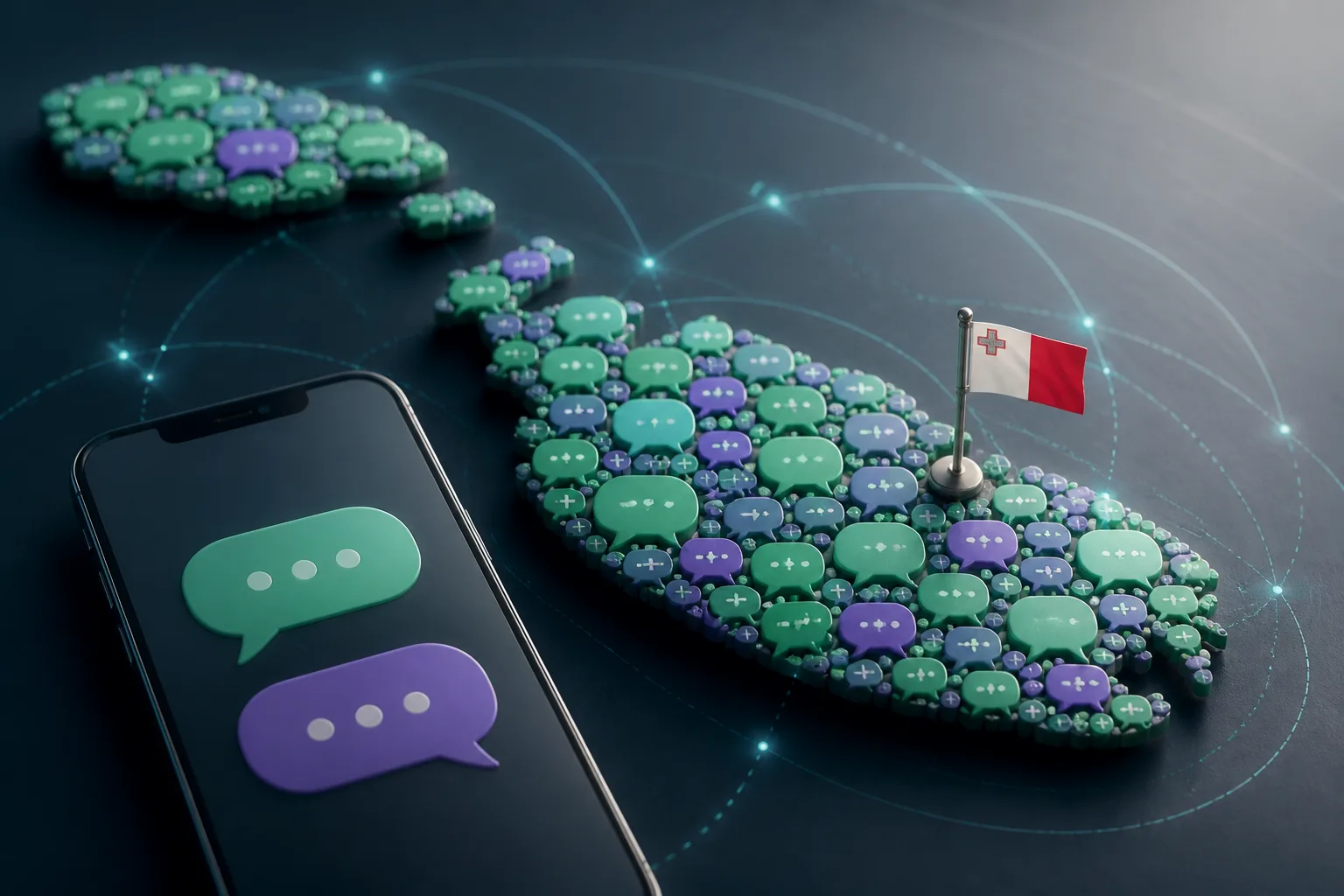
OpenAI and Malta’s Groundbreaking Partnership
On May 16, 2026, OpenAI and the Government of Malta announced a pioneering partnership aimed at providing AI training and access to ChatGPT Plus for all Maltese citizens. This initiative marks Malta as the first country to launch such a comprehensive program.
Program Design and Access
The program features a locally developed course created by the University of Malta, designed to educate participants about AI, its capabilities, and responsible usage at home and work. Upon completion of the course, participants will be eligible to receive one year of ChatGPT Plus at no cost.
Phased Rollout
The initiative will be rolled out in phases, starting in May, with the Malta Digital Innovation Authority overseeing the distribution of access to eligible participants. The program is expected to expand as more Maltese residents and citizens abroad complete the training.
Statements from Officials
Silvio Schembri, the Maltese Minister for Economy, Enterprise and Strategic Projects, emphasized that the course aims to empower every citizen with the confidence and skills necessary to thrive in a digital world. He described the combination of education and free access to advanced tools as practical support for families, students, and workers.
George Osborne, Head of OpenAI for Countries, stated, “With this partnership, Malta is leading Europe and the world in bringing AI to all its citizens.” He highlighted the important role of governments in ensuring that their populations have both access to and the skills needed to utilize AI effectively.
Context and Future Developments
This initiative is part of OpenAI’s broader “OpenAI for Countries” program, which supports governments transitioning from initial interest in AI to strategic national adoption. OpenAI has previously collaborated with national education systems in countries such as Estonia and Greece. The Maltese program combines a tailored educational course with a clear pathway to access ChatGPT Plus, aiming to foster confidence in AI usage among citizens.
Original source: OpenAI News