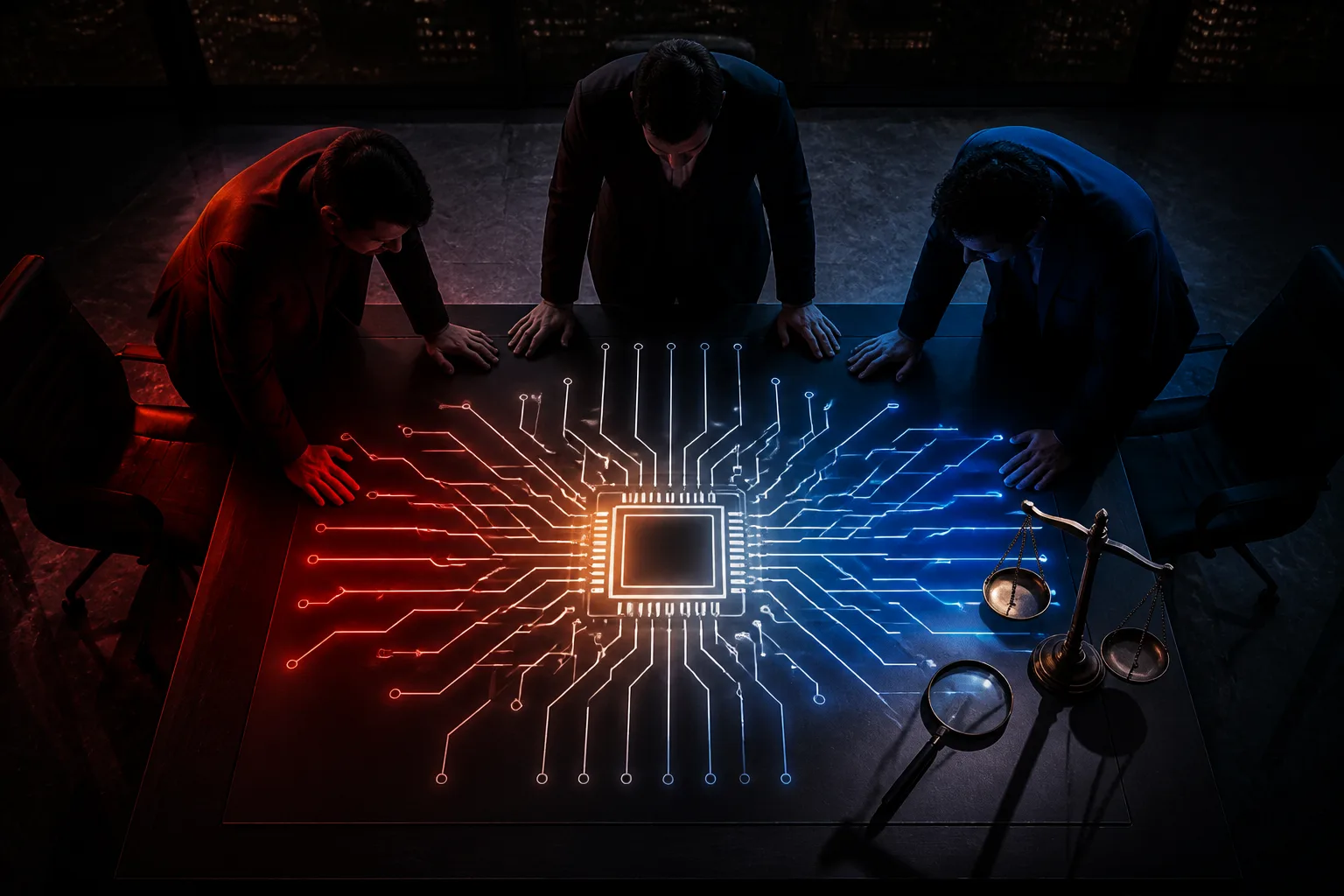
OpenAI’s global policy chief, Chris Lehane, told reporters that OpenAI has been engaged in discussions with rivals Anthropic and Google DeepMind for several weeks to coordinate on AI safety. Lehane said he was in Washington to work with U.S. lawmakers on what he described as catastrophic risks associated with advanced AI systems.
Industry appeals and private coordination
The talks followed an essay by Anthropic CEO Dario Amodei urging the industry to move together to slow development of frontier AI and reduce the chance of catastrophic outcomes. The essay drew public endorsements from multiple AI leaders, including OpenAI’s Sam Altman, Google’s Demis Hassabis, and SpaceXAI’s Elon Musk.
Altman has said OpenAI would join Anthropic in embedding third‑party evaluators to monitor safety, and he also hinted in interviews that private discussions with other AI leaders were already underway. The Information reported that the three companies have discussed creating a standards body for the AI industry; Lehane confirmed ongoing talks but said a government waiver proposed by Amodei would not be necessary.
Antitrust concerns and oversight proposals
Some participants, including Altman, have warned that coordination among top AI labs could expose companies to antitrust scrutiny if it were construed as suppressing competition. Amodei had proposed a narrow government waiver to permit safety coordination without triggering antitrust liability; Lehane said firms do not need such a waiver to proceed.
Lehane also stated that OpenAI supports a provision in the FRONTIER Act that would require leading frontier labs to admit “independent verification organizations” to assess whether models are developed safely. Separately, Demis Hassabis has urged U.S. authorities to establish a standards body able to screen the most advanced models and coordinate industry‑level slowdowns if necessary.
Political reactions have varied: President Trump has called safety concerns a hoax and argued that slowing development could benefit China, and his advisor David Sacks has described fears of existential AI risk as overblown. Lehane’s remarks and other public comments from company leaders indicate continued private coordination alongside ongoing policy debates over oversight and competition.
Original source: TechCrunch AI