Overview of Operation “False Witness”
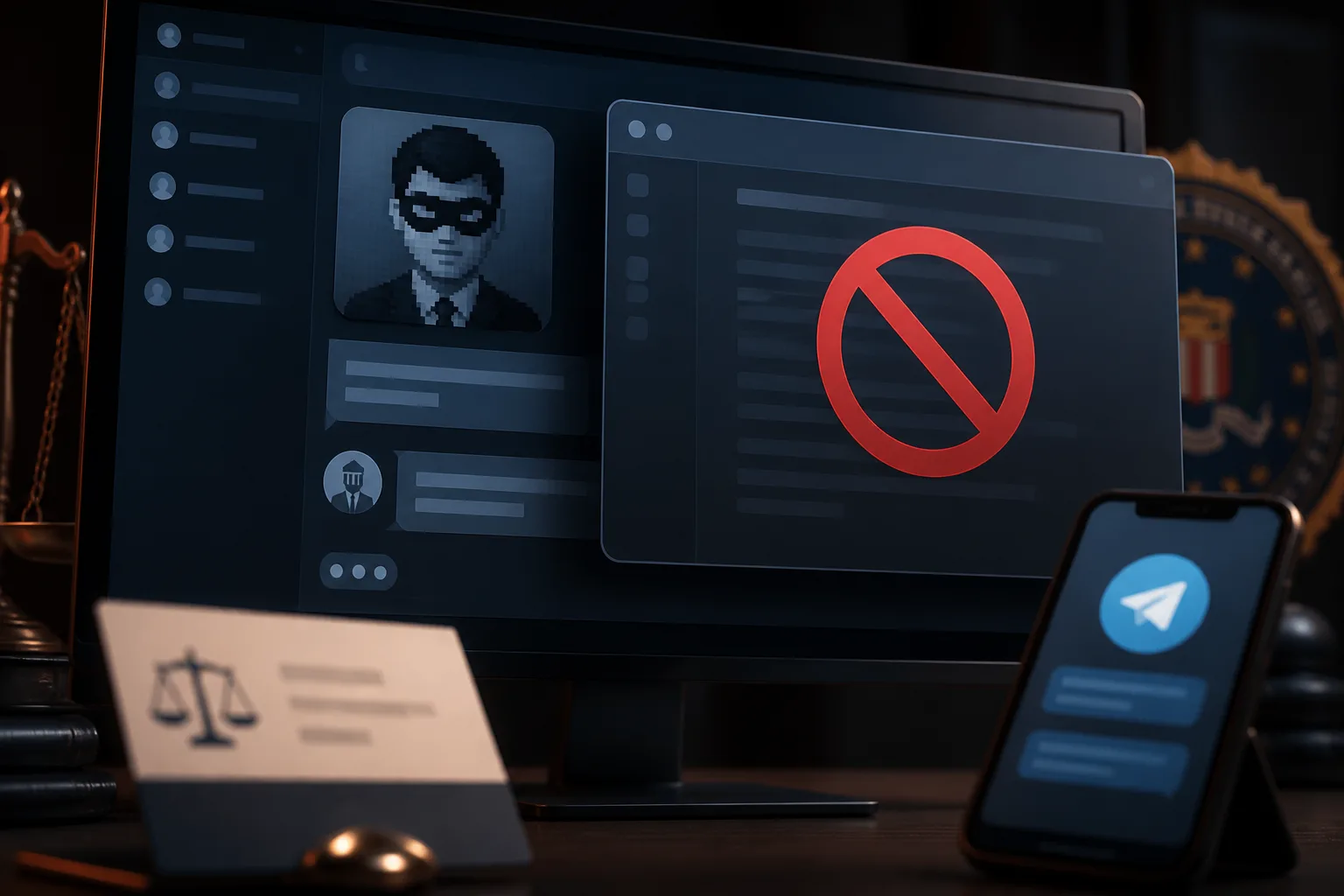
On February 1, 2026, OpenAI reported the dismantling of a network of ChatGPT accounts involved in a coordinated recovery scam known as Operation “False Witness.” These accounts were used to generate content that impersonated law firms, real attorneys, and the FBI’s Internet Crime Complaint Center (IC3), targeting individuals affected by fraud.
Mechanics of the Scam
According to OpenAI, the perpetrators, likely operating from Cambodia, utilized AI models to create promotional materials for at least six fictitious law firms, alongside social media posts and online advertisements. Numerous open-source indicators suggested that these firms were fraudulent, including the lack of state bar licensing, unusual web domains, non-existent street addresses, and instructions to contact lawyers via messaging apps.
Creation of Fake Personas
The scammers employed ChatGPT to draft lawyer personas and comments that mimicked the tone of attorneys specializing in helping scam victims recover their funds. Some profile pictures used on these sites appeared to be sourced from social media or generated by AI. One identified website impersonated IC3 and directed visitors to a fraudulent Telegram account.
Requests for Payment and Deceptive Practices
OpenAI’s report detailed how the operation utilized AI models to craft outreach and private messages that solicited advance payments from victims. Examples of these requests included a 15% “service fee,” deposits to activate accounts, and consultation charges. Messages directed targets to send cryptocurrency and provide screenshots of transactions as proof of payment.
Fabricated Documentation
Investigators discovered that the scammers also generated fake attorney registration records, counterfeit bar association membership cards—including a fabricated New York State Bar Association card—and bogus confidentiality agreements aimed at discouraging victims from seeking external assistance. The AI models were frequently used to translate messages to and from targets or to draft replies in “American English” or in a lawyer-like style.
Impact and Response
OpenAI stated that it banned the implicated accounts and published this case study in its February 2026 report. While the scammers claimed that victims lost thousands of dollars, OpenAI noted that these assertions could not be independently verified. The FBI, along with at least one impersonated law firm, has issued public alerts regarding this scam, emphasizing that it primarily targets vulnerable populations, particularly the elderly.
Original source: OpenAI News